This article offers practical tips for managing toddler mealtimes and snacks, ensuring happier, less frustrated eating experiences for both parents and children.
Toddlers can be a handful, especially when it comes to mealtime. Their moods can swing like a pendulum, and hunger can lead to frustration. To keep both toddlers and parents happy, it’s essential to create a structured and positive eating environment. By focusing on nutrition, timing, and engaging interactions, parents can navigate the challenges of feeding their little ones more smoothly.
Key Takeaway
- Schedule consistent meals and snacks to avoid hunger-driven tantrums.
- Offer limited healthy choices to empower toddlers without overwhelming them.
- Respect toddlers’ hunger cues and encourage self-regulation to reduce mealtime stress.
Understanding Toddler Hunger Cues
Credits: TexasHHSC
Toddlers are unique creatures, often expressing their needs in ways that can be confusing. Hunger cues can manifest as fussiness, whining, or even hyperactivity. Recognizing these signs is crucial for preventing meltdowns and ensuring that mealtimes remain enjoyable.
Recognizing Signs of Hunger
- Fussiness: If your toddler is unusually cranky, it might be time for a snack or meal.
- Clinginess: Toddlers may seek comfort from parents when they’re hungry.
- Interest in Food: If they start pointing to the fridge or pantry, they’re likely signaling hunger.
Timing is Everything
Setting a schedule for meals and snacks can help toddlers anticipate when they’ll eat. This predictability can reduce anxiety and frustration around food. Aim for meals and snacks every 2.5 to 3 hours to keep their energy levels steady.
Creating a Positive Mealtime Environment
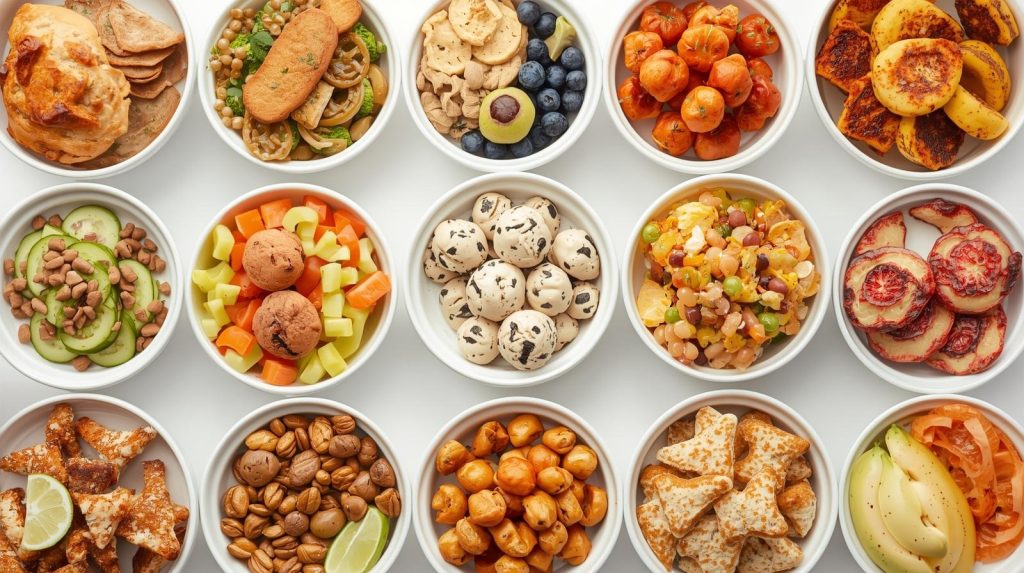
The atmosphere during mealtimes can significantly affect a toddler’s willingness to eat. A positive, engaging environment encourages toddlers to explore new foods and enjoy their meals.
Engage in Conversation
Talking with your toddler about their day or interests can make mealtime more enjoyable. Avoid adult topics that may bore them. Instead, ask about their favorite toys or what they did at playtime.
Minimize Distractions
While it might be tempting to turn on the TV or use a phone to keep toddlers occupied, these distractions can lead to mindless eating and disengagement. Focus on the food and each other during meals.
Meal Planning for Toddlers
Planning meals ahead of time can help parents manage their toddlers’ nutritional needs effectively. It also reduces the stress of last-minute decisions about what to serve.
Balanced Meals
Aim for a mix of complex carbohydrates, proteins, and healthy fats. Foods like oatmeal, eggs, and salmon can provide the necessary nutrients for toddlers’ growth and development.
Portion Sizes
Understanding appropriate portion sizes for toddlers is vital. A general rule is to serve one tablespoon of each food for every year of age. This helps prevent overwhelming them with too much food at once.
Healthy Snack Ideas
Snacks are an essential part of a toddler’s diet, but they should be nutritious and not disrupt appetite. Here are some ideas to keep in mind:
Simple and Nutritious Options
- Fruit Slices: Apples, bananas, or berries can be great snacks.
- Veggie Sticks: Carrot or cucumber sticks with hummus are fun and healthy.
- Whole Grain Crackers: Pair them with cheese for a satisfying snack.
Scheduled Snack Times
Limit snacks to specific times to ensure that toddlers come to meals hungry. Grazing throughout the day can lead to decreased appetite and increased frustration during mealtimes.
Encouraging Independence in Eating
Fostering a sense of independence during mealtimes can empower toddlers and reduce power struggles.
Let Them Choose
Offering two healthy options allows toddlers to feel in control without overwhelming them. For example, ask if they want apple slices or carrot sticks.
Self-Serving
Encourage toddlers to serve themselves when possible. This can help them feel more involved and responsible for their food choices.
Managing Toddler Eating Habits
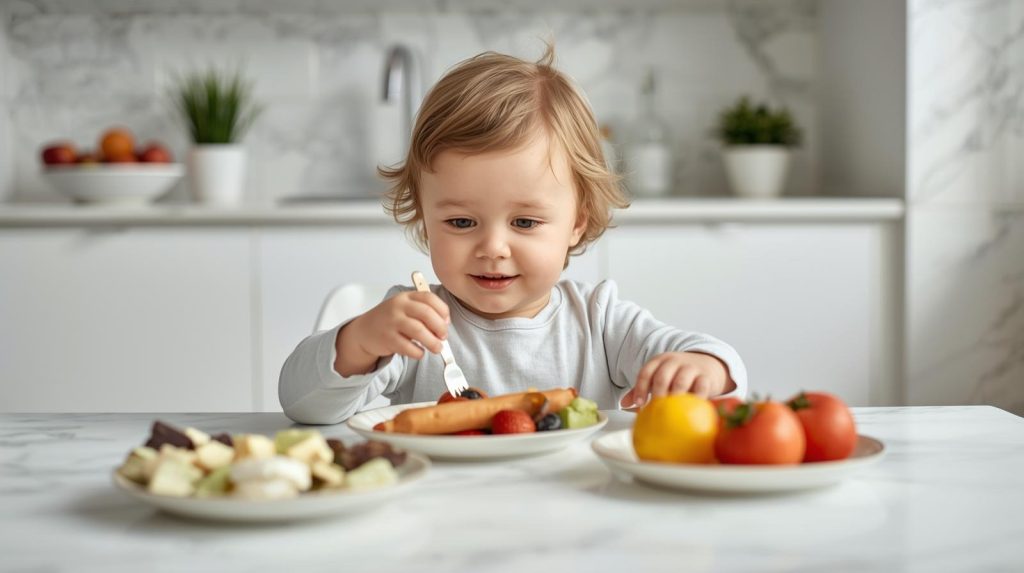
Toddlers can be picky eaters, and their preferences may change frequently. Understanding their eating habits can help parents navigate these challenges.
Avoiding Pressure
Pushing toddlers to eat certain foods can lead to resistance. Instead, allow them to explore new foods at their own pace. This can help develop a more positive relationship with food.
Respecting Food Preferences
It’s normal for toddlers to have preferences. If they refuse a food one day, they might be willing to try it again later. Keep offering a variety of foods without pressure.
Hydration Tips for Toddlers
Keeping toddlers hydrated is just as important as providing nutritious meals. Dehydration can lead to irritability and fatigue.
Water is Best
Encourage water consumption throughout the day. Limit sugary drinks and juices, as they can lead to mood swings and energy crashes.
Recognizing Signs of Dehydration
Be aware of signs that your toddler may be dehydrated, such as dry lips or a decrease in urine output. If you notice these signs, increase their fluid intake.
Conclusion
Feeding toddlers can be a challenging task, but with the right strategies, it can also be a rewarding experience. By understanding their hunger cues, creating a positive mealtime environment, and encouraging independence, parents can significantly reduce frustration for both themselves and their toddlers. The key lies in planning, patience, and flexibility. With these meal and snack tips, parents can foster a love for healthy eating in their little ones while navigating the ups and downs of toddlerhood.
So, embrace the messiness of mealtime and enjoy these moments with your toddler. After all, happy mealtimes lead to happy toddlers.
FAQ
My toddler seems hangry all the time. How can I tell if they’re actually hungry or just being difficult?
Learning to read your toddler’s hunger cues takes practice, but there are clear patterns to watch for. True hunger often shows up as fussiness, increased clinginess, loss of interest in activities they were enjoying, pointing to the kitchen or fridge, or becoming unusually hyperactive. If your toddler is well-fed and still acting out, the issue might be tiredness, overstimulation, or needing attention rather than hunger. Keep a mental note of when they last ate—if it’s been more than 2.5 to 3 hours, hunger is likely the culprit. When in doubt, offer a small healthy snack. If they eat it eagerly, they were hungry. If they refuse or just pick at it, something else is going on.
How strictly should I stick to a meal and snack schedule? What if my toddler says they’re hungry off-schedule?
While consistency is helpful, some flexibility is necessary. A general schedule every 2.5 to 3 hours works for most toddlers, but growth spurts, increased activity, or illness can change their needs. If your toddler asks for food significantly outside the schedule, assess the situation. Are they genuinely hungry or just bored? If they’re truly hungry and it’s been at least 90 minutes since their last meal, offer a small healthy snack. However, avoid constant grazing, which can decrease appetite at actual mealtimes and create a cycle of frustration. The goal is predictability with room for reasonable adjustments based on your individual child’s needs.
My toddler refuses to eat anything I make for meals. Should I just make them separate food?
Short answer: not regularly. While it’s tempting to become a short-order cook to avoid mealtime battles, this can create long-term picky eating habits and more work for you. Instead, try including at least one food you know they’ll eat alongside new or less-preferred foods. For example, if you’re serving chicken, vegetables, and rice, and you know they like rice, they can fill up on that while being exposed to the other foods. Offer the same meal to everyone without pressure. Toddlers often need to see a food 10-15 times before trying it. Your job is to provide nutritious options; their job is to decide what and how much to eat from what’s offered.
What are appropriate portion sizes for toddlers? I feel like I’m either giving too much or too little.
A good rule of thumb is one tablespoon of each food per year of age. So a two-year-old might get two tablespoons of chicken, two tablespoons of vegetables, and two tablespoons of rice. This seems small to adults but is appropriate for toddler-sized stomachs. Remember, you can always offer more if they finish and ask for seconds. Starting with smaller portions prevents waste, reduces overwhelm, and gives toddlers a sense of accomplishment when they finish their plate. Don’t worry too much about exact measurements—toddlers are good at self-regulating if we let them. Some days they’ll eat more, some days less, and that’s completely normal.
Is it okay to let my toddler watch TV during meals if it’s the only way they’ll eat?
While screens can seem like a helpful tool to get through meals, they typically create more problems long-term. When toddlers are distracted by screens, they engage in mindless eating and don’t learn to recognize their own hunger and fullness cues. This can lead to overeating or undereating and doesn’t foster a healthy relationship with food. Instead, try making mealtimes engaging through conversation about their day, singing songs, or gentle interaction. If mealtimes are currently screen-dependent, transition gradually—maybe reduce screen time by five minutes each day until meals are screen-free. It might be rocky at first, but most toddlers adjust within a week or two when the expectation is consistent.
What should I do when my toddler throws food or has a meltdown at the table?
First, stay calm. Food throwing is common toddler behavior that can mean different things: they’re full, seeking attention, testing boundaries, or finding cause-and-effect fascinating. Calmly state the boundary: “Food stays on the table. If you’re done eating, you can say ‘all done.'” If the behavior continues, calmly end the meal: “I see you’re finished. Let’s clean up.” Don’t offer alternatives or snacks immediately afterward, as this can reinforce the behavior. For meltdowns, consider whether they’re overtired, overhungry (waited too long between meals), or overwhelmed. Address the underlying need while maintaining boundaries. Remember, some mess and resistance at meals is developmentally normal, not a sign of failure.
How do I handle a toddler who wants the same food every single meal?
Food jags—when toddlers eat the same food repeatedly—are incredibly common and usually temporary. While it’s frustrating, it’s rarely harmful if the food is reasonably nutritious. Continue offering a variety at meals while including their preferred food. Don’t pressure them to try new things, but don’t stop exposing them either. Make the preferred food slightly less accessible—maybe it’s not the first thing on their plate. Sometimes involving them in meal prep can spark interest in new foods. Most importantly, stay calm and don’t make it a power struggle. These phases typically pass on their own within a few weeks or months. If the phase extends beyond several months or you’re concerned about nutrition, consult your pediatrician.
Should I make my toddler finish everything on their plate before leaving the table?
No, this practice can override toddlers’ natural ability to self-regulate their eating and can create negative associations with food. Toddlers are generally good at knowing when they’re full if we trust them. Requiring a clean plate teaches them to ignore their body’s fullness signals, which can contribute to unhealthy eating patterns later. Instead, respect their cues. If they say they’re done, acknowledge it: “Okay, you’re finished. No more food until snack time.” Then follow through—don’t offer alternatives or snacks right away. Over time, toddlers learn that meals are when eating happens and they’ll eat more at those times. Trust their appetite regulation while maintaining structure around when food is available.
References
- https://www.handinhandparenting.org/2021/06/toddler-and-preschoolers-easier-mealtimes-kind-firm-ways-to-help-your-child-sit-at-the-table/?srsltid=AfmBOopSTTTRLx8YGgQ9_AVppDTb3hbji8fDXInZPqPgFevQXUYS5bR2
- https://www.strong4life.com/en/feeding-and-nutrition/hunger-and-fullness-cues/5-signs-your-toddler-is-hungry
- https://www.manningchildrens.org/news-blog/2023/july/should-parents-create-food-rules-for-their-child/
Related Articles
- https://betweenusparents.com/parenting-techniques-for-toddlers-and-preschoolers/
- https://betweenusparents.com/showing-up-is-the-most-important-thing-why-consistent-parental-presence-shapes-kids-futures/
- https://betweenusparents.com/presence-over-perfection-in-parenting-why-being-there-matters-more-than-getting-it-right/