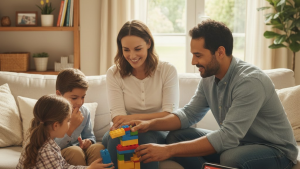
Health and Safety for Parents: Protect your children at home! Vital tips and information to ensure their well-being and create a safe environment.
Parents want what’s best; a safe and healthy child. The worries? Endless. “Is my home safe enough?” “Do I know enough?” Health and safety for kids is a big topic, sure. But some key steps can make a real difference. Learning about home safety and basic health tips empowers parents. It helps them raise happy, strong kids.
Thinking about it, small changes matter. Childproofing cabinets, for instance, or learning basic first aid. It seems small, but it’s big. Want to learn more ways to protect your children? Keep reading for practical tips to make your home a haven.
Key Takeaway
- Regular checkups help catch health issues early.
- Childproofing the home reduces accidents.
- Basic first aid skills are essential for every parent.
Health Essentials Every Parent Should Know
Kids need a solid foundation, no doubt about it. Health is where it starts. Doctors visits aren’t just for when kids are sick, though. Regular pediatric checkups are vital. Growth is tracked. Potential problems? Caught early.
Vaccinations, too.
- Measles
- Mumps
- Other nasty diseases
These are warded off with timely shots. Seems simple enough.
Nutrition, though. That’s a constant battle, isn’t it? A balanced diet? Fruits, vegetables, whole grains? Of course. Limits on sugary stuff? Probably a good idea (and easier said than done.) Maybe a pediatrician can help guide things. Physical activity, too. Daily play. Keeps them healthy and… less cooped up. [1]
And sleep. Oh, sleep. A bedtime routine. Consistent. Important for physical and mental health. (For the parents’ mental health, too, probably.) Good hygiene habits, like hand washing. They help keep the germs away. A healthy kid has a better shot, it would seem. Focus on the basics, and the rest might just fall into place.
Safety Tips for Childproofing Your Home
Credits: Cleveland Clinic
Home is where the heart is. Also, where a lot of accidents can happen. Childproofing isn’t just a good idea. It’s a necessity. Making a home safer involves some common-sense steps. Safety gates? Top and bottom of stairs. Falls can be brutal. Securing heavy furniture to the wall? Might seem overkill, but tipping furniture is a real danger.
Then there’s the electrical stuff.
- Outlet covers are cheap insurance
- Little fingers and electrical sockets? Not a good mix.
- Small items on the floor.
Choking hazards, you know? Coins, small toys…gone. Sharp objects, like knives? Locked drawers or way up high. Cleaning supplies? Cabinets with latches. Keeps the little ones away from the bleach and whatnot. Stove knobs, too. Covers for those. Prevents accidental turning-on-the-burner situations.
Safety at home isn’t about being paranoid. It’s about being prepared. A little effort now can save a lot of heartache later. Consider the risks, and take action.
Importance of Family Health Checkups
Family health is a shared responsibility, or so it seems. It’s not just about the kids, though. Family health checkups? Necessary for everyone. (Even the reluctant ones). These visits can catch problems early. Before they turn into… bigger problems. Regular screenings? They can find diseases early. Easier to treat then, seems obvious.
Preventive care is the name of the game, or so they say.
- Tips on nutrition
- Exercise
- Stress management
Doctors hand out the advice, but families have to act on it. A tailored health plan for each member? Ideal, but not always easy to achieve.
Mental health. Just as important as the physical stuff. Checkups can include chats about emotional well-being. Addresses concerns before they blow up. Starting young is key. Teaches kids to value their health. A healthy family is a stronger family, probably. Make it a priority.
Managing Emergency Preparedness as a Family
Emergencies happen. Can’t avoid them, can only prepare for them. Emergency preparedness? Crucial, they say. For every family. Taking steps to ensure the household is ready? It’s just smart. Figure out the potential hazards first. What’s likely to happen in the area? Floods? Storms? Understanding how to prepare? That’s half the battle, maybe more.
Family meetings? Sounds a bit formal, maybe.
- But discussing emergency plans?
- Good idea.
- Assigning roles?
Responsibilities? Everyone knows what to do. Communication plan is key. How to reach each other during a disaster? Reduces the panic, if nothing else.
Disaster supply kit? Water, non-perishable food, first aid, important documents. Basic stuff. Practicing the emergency plan? Regularly. Sounds a bit like a drill, but it helps. Everyone remembers their roles. A prepared family is a more confident family. And that counts for something, surely. [2]
Essential First Aid Skills for Parents

Accidents happen. Kids are involved, accidents will happen. Knowing basic first aid? A must. These skills can be lifesaving. CPR? Incredibly valuable. Can save lives in critical situations. Not something to skip over.
Wound care is essential, too.
- How to clean a wound?
- How to dress it?
- Prevent infections?
Simple, but important. Allergic reactions. Recognizing the signs. EpiPen? Knowing how to use it is a game-changer. Choking relief techniques. Heimlich maneuver. Lifesaving, plain and simple. Minor burns? How to treat them? Cool the burn, sterile dressing.
First aid isn’t about being a doctor. It’s about being prepared. Knowing what to do in those first few minutes can make all the difference. Confidence in an emergency? It comes from knowing you can help. A valuable skill for any parent, seems clear enough.
FAQ
How can I childproof my home and ensure playground safety for my kids?
Creating a safe environment starts with childproofing your home by securing furniture, covering outlets, and installing safety gates on stairs. For playground safety, check equipment for sharp edges or loose parts, ensure appropriate surfacing under play equipment to cushion falls, and always supervise children.
Teach kids basic playground rules like taking turns and using equipment as intended. Remember that different safety measures are needed as your child grows and develops new abilities.
What are essential parenting tips for promoting nutrition for kids and creating healthy meals?
Focus on balanced meals featuring vegetables, fruits, whole grains, lean proteins, and dairy. Get kids involved in meal planning and preparation to increase their interest in trying new foods. Establish regular meal and snack times rather than constant grazing. Be a good role model by eating the same healthy foods you serve.
Don’t use food as rewards or punishment. Remember that children may need to try new foods 10-15 times before accepting them, so stay patient and keep offering variety.
How important is physical activity and outdoor activities for child development?
Regular physical activity builds strong muscles and bones, improves cardiovascular fitness, and helps maintain healthy weight. Aim for at least 60 minutes daily of moderate to vigorous activity. Outdoor activities provide additional benefits like vitamin D exposure, improved attention, and opportunities to learn about nature.
Different activities support various developmental areas – climbing builds upper body strength, running improves coordination, and team sports develop social skills. Make movement fun rather than competitive to create positive associations with being active.
What emergency preparedness and first aid training should parents have?
Every parent should know basic first aid for common childhood injuries like cuts, burns, choking, and falls. Consider taking a certified course that includes CPR for children and infants.
Create an emergency preparedness plan including meeting points, emergency contacts, and evacuation routes. Prepare a basic emergency kit with supplies to last 72 hours. Teach children how to call for help and what information to provide. Practice emergency drills periodically so everyone knows what to do when seconds count.
How can I support my child’s mental health and emotional well-being?
Create a safe emotional environment where kids feel comfortable expressing feelings. Listen actively without judgment when they share concerns. Teach emotional vocabulary so they can name their feelings. Model healthy emotional regulation and stress management in your own behavior.
Maintain consistent routines that provide security. Watch for warning signs like persistent sadness, withdrawal, or behavior changes. Don’t hesitate to seek professional mental health support if concerns arise. Remember that building emotional resilience takes time and practice.
What hygiene practices and safe bathing practices should I teach my children?
Teach proper handwashing with soap for at least 20 seconds, especially before eating and after using the bathroom. For safe bathing, never leave young children alone in the bath even for a moment.
Use non-slip mats to prevent falls and check water temperature before letting children in. Teach kids to wash all body parts thoroughly, including behind ears and between toes. As they grow, guide them toward independence with personal hygiene routines like brushing teeth, showering, and using deodorant when appropriate.
How can I implement reasonable screen time guidelines while encouraging family bonding activities?
Set clear screen time limits based on age – generally less than 1 hour for ages 2-5 and reasonable limits for older kids. Create screen-free zones like bedrooms and dining areas. Plan regular family bonding activities like game nights, nature walks, cooking together, or reading aloud to balance technology use.
Be mindful of your own screen habits since children learn by example. Focus on the quality of screen content rather than just limiting time, choosing educational and age-appropriate options when possible.
Conclusion
Health and safety for children? Crucial for every parent, or so they say. Health essentials, childproofing, checkups, emergency prep, first aid skills? Keeps families safe. Not just protecting kids, though. Promotes well-being, too. Parents can take charge. They can make a healthy, safe environment. Doesn’t mean it’s easy. Just means it’s worth doing.
References
- https://www.niddk.nih.gov/health-information/weight-management/healthy-eating-physical-activity-for-life/helping-your-child-tips-for-parents
- https://www.habitat.org/our-work/disaster-response/disaster-preparedness-homeowners/family-preparedness-plan