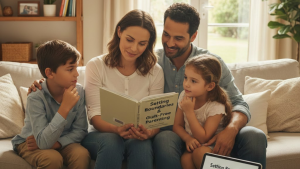
Parenting often feels like you’re expected to have all the answers. But what happens when you don’t? Saying “I don’t know” might seem like a weakness, but it’s really a quiet kind of strength. It shows honesty and vulnerability, qualities that build trust with children. When parents admit uncertainty, they model humility and encourage open dialogue. This creates a safe space where kids feel comfortable sharing their own doubts and questions. It’s a simple way to nurture emotional intelligence and resilience in the family. Saying “I don’t know” isn’t about giving up; it’s about growing together.
Key Takeaway
- Admitting “I don’t know” fosters honesty and vulnerability, deepening trust between parent and child.
- It models humility and promotes a growth mindset, showing kids it’s okay not to have all the answers.
- This openness encourages effective communication and strengthens emotional intelligence in the family.
Why Honesty Matters in Parenting

Parents often feel pressure to appear all-knowing. But this pressure can create a barrier between parent and child. When a parent admits they don’t have all the answers, it breaks down that barrier. Honesty becomes the foundation for trust. Kids notice when parents are genuine, and that authenticity invites them to be open too.
The Role of Parental Vulnerability
Vulnerability is often mistaken for weakness, but in parenting, it’s a powerful tool. When a parent says, “I don’t know,” they’re showing their child that it’s okay to be uncertain or to make mistakes. This vulnerability teaches children that perfection isn’t the goal. Instead, learning and growth matter more.
Building Trust Through Vulnerability
Trust grows when children see their parents as real people who don’t have all the answers. This honesty encourages kids to share their own feelings and questions without fear of judgment. It’s a two-way street: the more parents show vulnerability, the more children feel safe to express themselves.
Modeling Humility and Growth Mindset
Humility in parenting means accepting that you don’t have all the answers and being willing to learn alongside your child. This attitude models a growth mindset — the belief that abilities and intelligence can develop over time.
How Humility Shapes Parent-Child Relationships
When parents admit uncertainty, they demonstrate that learning is a lifelong process. This can inspire children to approach challenges with curiosity rather than fear. It also helps parents avoid the trap of pretending to be perfect, which can create unrealistic expectations for the whole family.
Encouraging Resilience Through Growth Mindset
Kids who see their parents embrace uncertainty often develop resilience. They learn that setbacks and questions are part of life, not signs of failure. This mindset helps children face difficulties with confidence and persistence.
Encouraging Open Dialogue in Families
Credits: Better Family Relationship
Communication is the backbone of any strong relationship. Saying “I don’t know” opens the door for honest conversations. It signals to children that their questions are welcome and that it’s okay to explore ideas together.
Creating a Safe Space for Questions
When parents admit they don’t have all the answers, children feel less pressure to be perfect themselves. This creates a safe environment where kids can ask tough questions or express doubts without fear of disappointment.
Positive Parenting Techniques That Support Openness
Effective parenting communication involves listening without judgment and responding with empathy. Admitting uncertainty fits well with these techniques because it shows respect for the child’s perspective and acknowledges the complexity of life.
Emotional Intelligence in Parenting
Emotional intelligence involves recognizing and managing one’s own emotions as well as understanding others’. When parents admit “I don’t know,” they practice self-awareness and humility, key components of emotional intelligence.
How Emotional Intelligence Benefits Families
Parents who show emotional intelligence tend to have stronger connections with their children. They can respond calmly to challenges and model healthy ways to handle uncertainty or frustration.
Developing Parental Confidence Through Self-Awareness
Admitting uncertainty doesn’t undermine confidence; it enhances it. Parents who are self-aware recognize their limits and are open to learning. This confidence in being authentic helps children feel secure and valued.
Overcoming Parenting Challenges by Embracing Uncertainty
Parenting is full of unexpected moments and questions without clear answers. Trying to pretend otherwise can add stress and distance in the relationship.
Facing Challenges With Honesty
When parents admit they don’t know something, they reduce pressure on themselves and their children. This honesty can transform difficult moments into opportunities for shared learning.
Teaching Kids to Handle Uncertainty
By modeling how to face unknowns calmly and openly, parents teach children resilience. Kids learn that it’s normal to encounter questions and that seeking answers together is part of growing up.
Practical Ways to Say “I Don’t Know” as a Parent
It might feel awkward at first to admit uncertainty. But there are ways to do it that encourage connection and learning.
Simple Phrases to Use
- “That’s a good question. I’m not sure, but let’s find out together.”
- “I don’t know the answer right now, but I’ll look into it.”
- “I’m still learning about that too.”
Turning Uncertainty Into a Learning Moment
Use these moments to explore answers with your child. This shows that learning is a shared journey and that it’s okay not to have all the answers immediately.
Encouraging Kids to Ask Questions
Invite your child to share their thoughts and questions. Praise their curiosity and make it clear that no question is too small or silly.
The Long-Term Benefits of Admitting “I Don’t Know”

Parents who embrace honesty and vulnerability often build stronger, more trusting relationships with their children. This foundation supports emotional intelligence, resilience, and open communication throughout life.
Strengthening the Parent-Child Bond
When kids feel safe and heard, they’re more likely to come to their parents with problems, big or small. This ongoing dialogue strengthens the family connection.
Supporting Healthy Emotional Development
Children raised in environments where uncertainty is accepted tend to develop better emotional regulation and confidence. They learn that it’s okay to be imperfect and that growth is continuous.
Conclusion
Admitting “I don’t know” is not a sign of failure but a quiet strength that builds trust and connection. It models humility and encourages children to embrace learning and resilience. Parents who practice this honesty create a family culture where open dialogue and emotional intelligence thrive. It’s a simple shift that can make a big difference in how parents and children relate to each other.
Try it next time you’re unsure about something. You might be surprised how much stronger your relationship becomes. More stories, more support – explore our parenting newsletter here https://betweenusparents.com/
FAQ
Won’t my child lose respect for me if I admit I don’t know something?
Actually, the opposite is true. Children respect authenticity more than false certainty. When you admit you don’t know something, you’re showing your child that you’re human and trustworthy. Kids can sense when parents are being genuine, and this honesty often deepens their respect and trust in you.
What if my child asks something I feel I should know as their parent?
It’s completely normal not to have all the answers, even to questions that seem “basic.” Remember, parenting doesn’t come with a manual, and the world is constantly changing. Your child will benefit more from seeing you handle uncertainty with grace than from getting a made-up answer that might be wrong.
How do I say “I don’t know” without making my child feel insecure or unsafe?
The key is in your tone and follow-up. Say something like, “That’s a really good question, and I don’t know the answer right now. Let’s figure it out together.” This reassures your child that not knowing is okay and that you’re still their reliable guide through life’s uncertainties.
My partner thinks I should always have answers for our kids. How do I handle this disagreement?
This is a great opportunity for a family discussion about parenting values. Share the benefits of modeling humility and growth mindset with your partner. Perhaps suggest trying this approach together for a few weeks and observing how your children respond. Often, seeing positive results can help shift perspectives.
What’s the difference between saying “I don’t know” and being unprepared as a parent?
Great question! Being unprepared might mean avoiding difficult conversations or not making an effort to learn alongside your child. Saying “I don’t know” while committing to explore the answer together shows engagement and responsibility. It’s about being honest while still being present and involved.
Won’t this approach make my child anxious if they think I can’t protect them?
There’s an important distinction here. You can acknowledge uncertainty about factual questions or complex life issues while still being a strong, protective presence. Your child needs to know you’ll keep them safe and love them unconditionally—that’s different from knowing every fact or having every answer.
How do I handle it when my child keeps asking “why” and I run out of answers?
This is where the magic happens! When you reach your limit, try saying, “You know what? You’ve asked such great questions that we’ve reached the edge of what I know. Should we look this up together or ask someone who might know more?” This turns the moment into a celebration of their curiosity.
References
- https://www.mother.ly/parenting/how-to-talk-to-kids-when-you-dont-have-the-answers/
- https://grownandflown.com/saying-i-dont-know-best-thing-parent-do/